
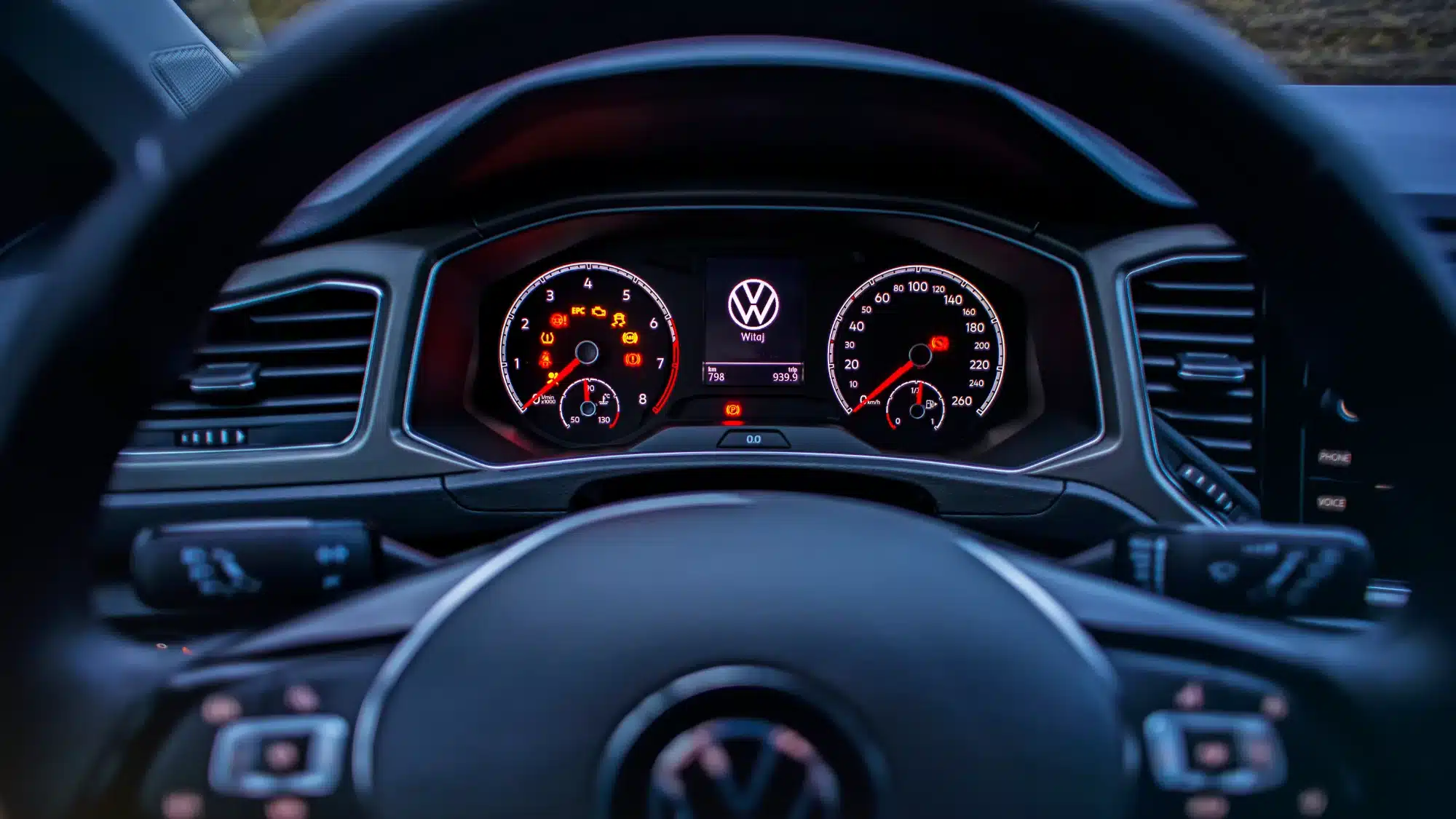
A check engine light in a Volkswagen can illuminate for a variety of reasons, ranging from minor inconveniences to more significant mechanical concerns. Understanding the typical causes helps you decide when to schedule VW Check Engine Diagnostics PBG with a trusted technician. At Carage Auto, we emphasize accurate diagnostics, clear explanations, and transparent repair options so you can move forward with confidence.
Common Mechanical Issues That Trigger the VW Check Engine Light
Many VW models share similar emission and engine management systems, so certain issues are commonly responsible for a CEL trigger:
- Misfires due to worn spark plugs or ignition coils: A misfire disrupts the air-fuel mix and can cause the check engine light to come on. Worn or damaged spark plugs, coils, or related wiring are frequent culprits. Replacing worn components often resolves the issue and restores smooth engine operation.
- Faulty oxygen sensor or sensor wiring: The oxygen sensors monitor exhaust gases and help manage fuel efficiency and emissions. A failing sensor can trigger the CEL and may lead to higher fuel consumption if not addressed. Replacing the sensor and inspecting the wiring typically corrects the problem.
- Catalytic converter efficiency issues: A reduction in catalytic converter performance can illuminate the CEL, especially if the vehicle fails an emissions test. Causes can include prolonged misfires, a damaged converter, or contamination. Repair or replacement is usually necessary to restore proper exhaust flow and emissions.
- Evaporative (EVAP) system leaks or a loose gas cap: The EVAP system seals fuel vapors from the atmosphere. A loose or faulty gas cap is a common, inexpensive source of a CEL. More persistent EVAP leaks or canister problems require diagnosis and repair to prevent vapor leaks and fuel odor.
- Mass airflow sensor (MAF) or intake system problems: A dirty or failing MAF sensor can distort air measurements, causing the engine to run lean or rich. Cleaning or replacing the sensor and checking for intake leaks helps restore accurate fuel management.
- Vacuum leaks and intake manifold issues: Vacuum leaks alter the air-to-fuel ratio and can trigger multiple diagnostic codes. A thorough inspection of hoses, gaskets, and the intake manifold is often needed to pinpoint the source.
- Fuel delivery or injector problems: Restricted fuel flow or faulty injectors can cause misfires and lean/rich conditions that set off the CEL. Cleaning, testing, or replacing fuel components is frequently required.
VW Check Engine Diagnostics PBG: How It Works at Carage Auto
When you bring your VW in with a CEL, our VW Check Engine Diagnostics PBG workflow begins with a comprehensive assessment. We connect an OBD-II diagnostic scanner to retrieve fault codes and examine live data streams. Our technicians interpret the codes within the context of your vehicle’s age, mileage, and service history to identify the most probable causes.
Code interpretation and visual inspection
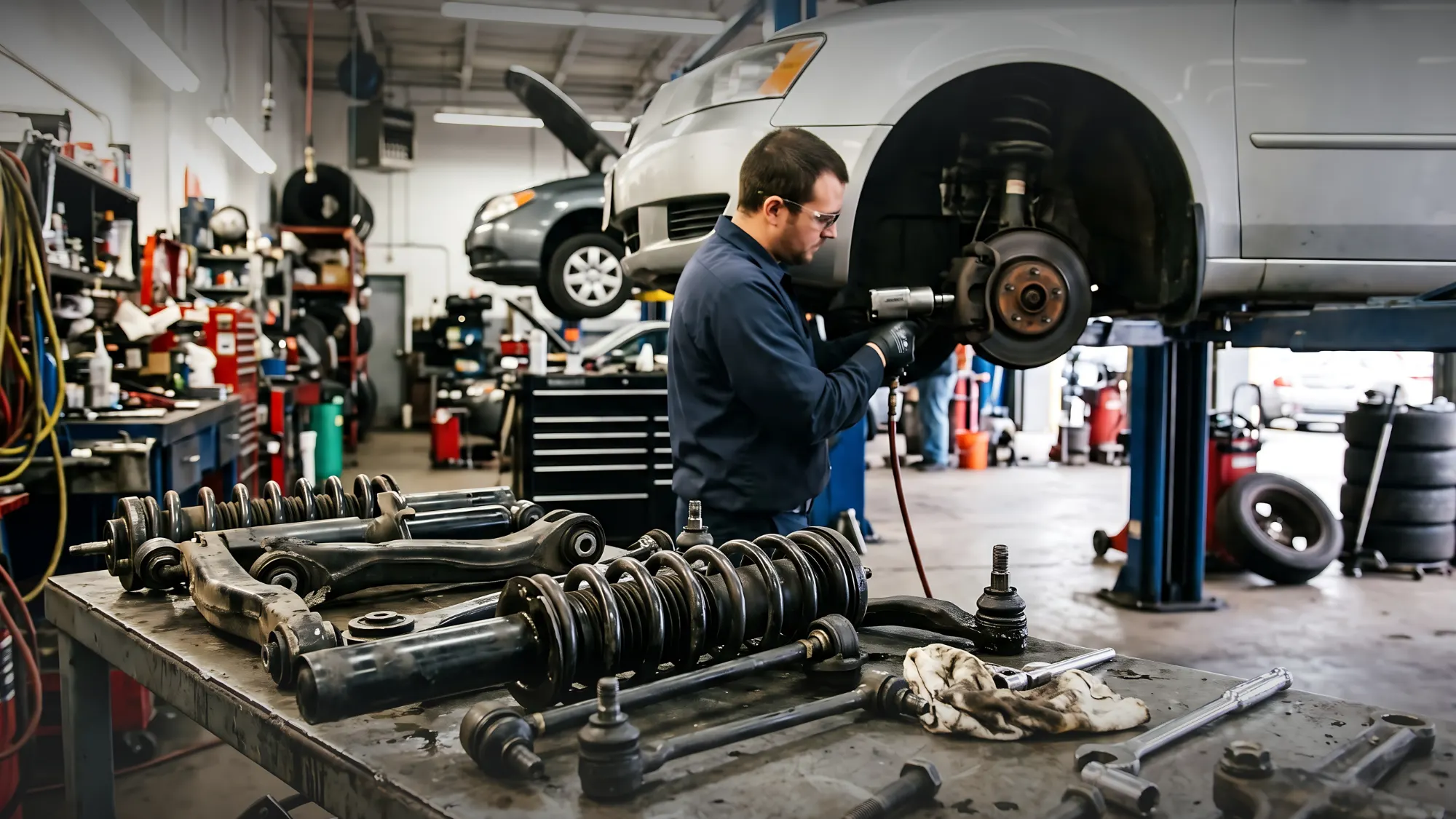
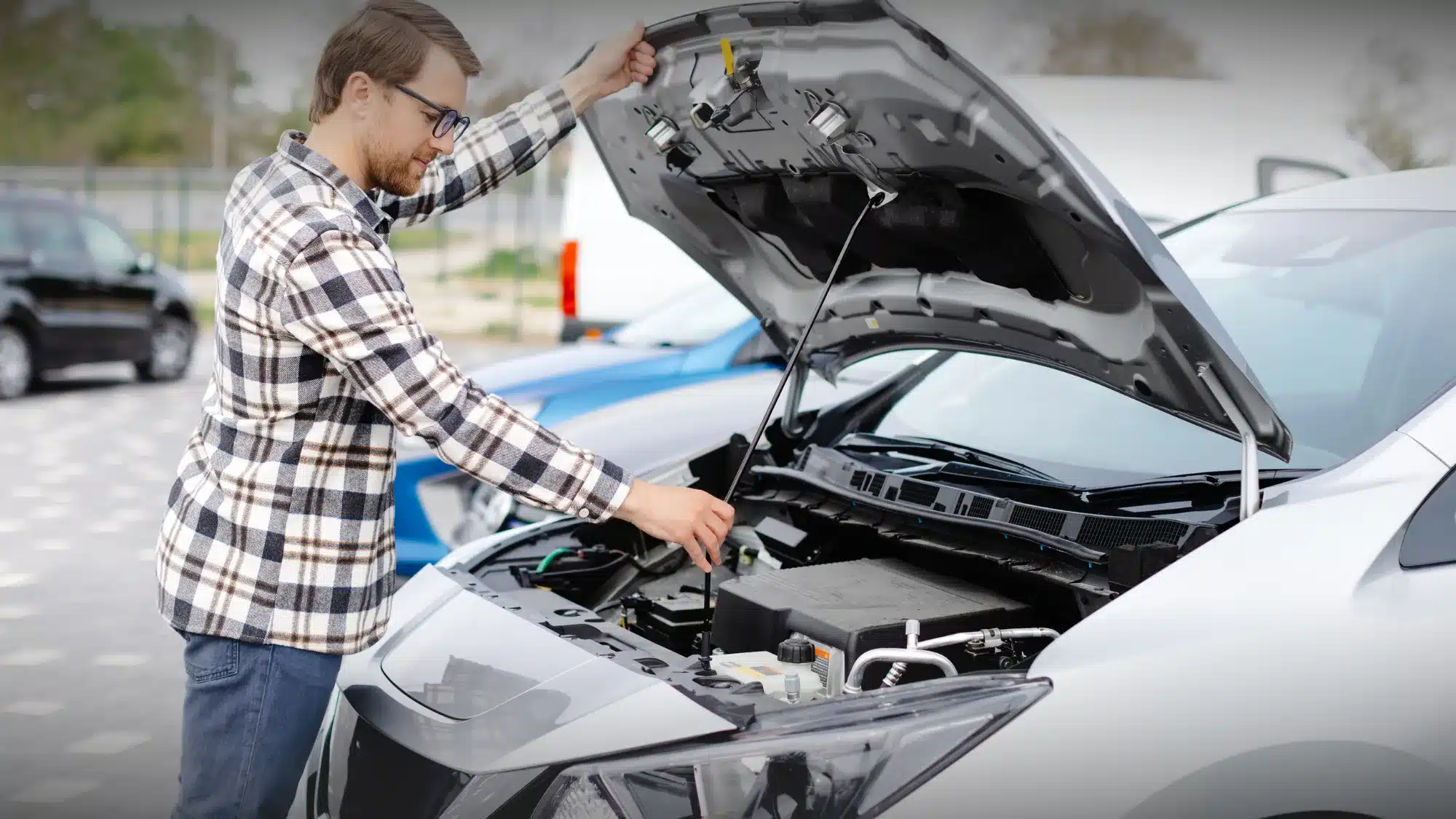
- We don’t rely on codes alone. A careful visual inspection of ignition components, sensors, wiring, and vacuum lines helps confirm the root cause and rule out coincidental codes.
System tests and confirmation
- After identifying likely issues, we perform targeted tests to verify the fault. This may include sensor testing, pressure checks, and, where appropriate, function tests for actuators and wiring circuits.
Transparent repair plan and quote
- Once the diagnosis is confirmed, we present a clear repair plan with parts, labor estimates, and timing. Our goal is to empower you to make informed decisions for the health of your VW.
Tips for Maintaining Your VW to Reduce Check Engine Light Occurrences
- Follow the manufacturer-recommended maintenance schedule for spark plugs, air filters, and fuel system components.
- Use high-quality fuel and keep your gas cap tightened properly.
- Address rough idling, misfires, or reduced performance promptly to prevent further damage.
- Schedule regular VW Check Engine Diagnostics PBG checks if you notice persistent CEL activity, unusual noises, or decreased efficiency.
When to Seek Immediate Service
If the check engine light is flashing, pull over safely and seek immediate diagnostic service. A flashing light often indicates a severe misfire that could damage the catalytic converter or the engine.
A VW check engine light can be triggered by several common mechanical issues, and a precise diagnosis is crucial for reliable repairs. At Carage Auto, our VW Check Engine Diagnostics PBG approach emphasizes accurate code interpretation, careful inspection, and transparent repair planning. If you notice a CEL, contact us to schedule a diagnostic appointment and get back on the road with confidence.